
 Herbs
Herbs Vegetables
 Fruits


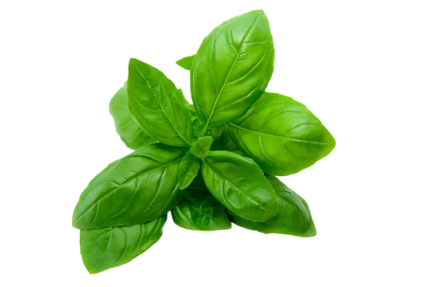
Basil
Basil is perhaps the most popular and widely used culinary herb. It is a tender annual, aromatic plant with a spicy odor and flavor. It grows 12-18 inches tall and foliage color can range from green to purple. Foliage size can vary from large lettuce-like leaves to very small leaves, half inch in size.
It is a herb in the mint family that has a strong sweet aroma making it ideal for seasoning food. It is mostly used to flavor soups, stews, tomato dishes, meat, game, fish, egg dishes, herb butters and herb vinegars. It also has some medicinal benefits, including its use as a tonic to aid in digestion.
Varieties: African Blue, Amethyst, Ararat, Aristotle, Blue Spice, Christmas, Cinnamon, Crimson King, Dolce Fresca, Greek, Red Ball, holy Tea, Italian Large Leaf, Jolina, Lemon, Lime, Magical Michael, Mammoth, Oriental Breeze, Persian, Piccolino, Queen of Sheba, Red Genovese, Red Rubin, try Me, Spice Globe, Sweet, Sweet Thai, Thai Magic, Thai (red stem)
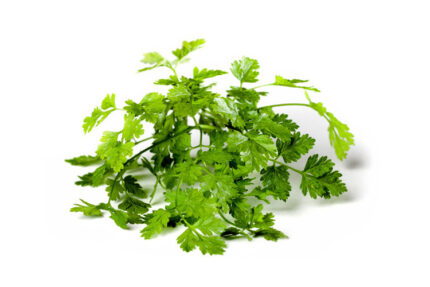
Chervil
Chervil is a delicate annual herb with light green, finely divided, fern-like leaves that resemble parsley. It has a mild, subtle flavor with hints of anise or licorice. In late spring to early summer, chervil produces small, white, umbrella-shaped flower clusters. It grows best in cool, shaded locations and prefers rich, moist soil. Commonly used in French cuisine, chervil enhances the flavor of poultry, eggs, seafood, and vegetable dishes, and is a key ingredient in fines herbes blends.
Varieties: Crispum, Curled, and Plain (Common Chervil)
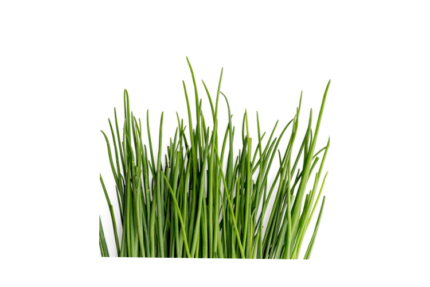
Chives
Chives is a bulbous perennial herb belonging to the same family as onion, leeks and garlic. Chives have long green stems and a mild, not-too-pungent flavor. The green stems are the part of the chives that are used as a herb. Chive stems are hollow and are usually used fresh. In terms of culinary appeal, the flavor of chives is considerably milder and more subtle than onion or garlic and its leaves can be used to flavor salads, dips, soups, stews, vinegars, cheese dishes sour cream and butter. Dried chives are excellent additions to soups and salads, as well as dips, soft cheeses and herbal butters. As an added bonus, chives is a good source of vitamin C.
Varieties: Garlic, Gigantic Garlic, Onion
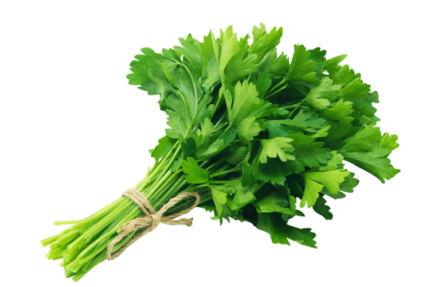
Coriander
Coriander is a spice which is a member of the parsley family. The leaves of the plant are also commonly called cilantro, which comes from the Spanish word for coriander, or Chinese parsley. It has a penetrating odor and flavor.
Coriander roots also appear in culinary use as a pungent addition to curries. It is best used fresh, added just before food has finished cooking as it is sensitive to heat and loses aroma. Its seeds are used in curries and many other types of dishes, including pickled foods and some aromatic alcohols like gin. Cilantro is most often associated with Mexican or Asian foods. It is most commonly used in salsa, fish and chicken dishes. Spice up meat dishes, garnish your fish… coriander is the jewel in the crown, adding spice to your life.
Varieties: Desert Blush, Santo
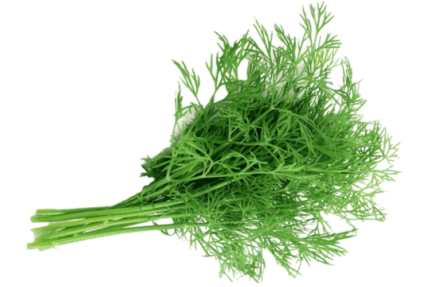
Dill
Dill is a tall herb with fine, feathery foliage. Foliage color can range from dark green to blue-green. In mid-summer, dill will produce large, flat-topped yellow flower clusters with seeds that can be harvested for culinary use. Used to flavor fish, lamb, egg dishes, soups, and potato salad. Seeds are used in pickling recipes and vinegar.
Varieties: Bouquet, Ella (dwarf), Long Island Mammoth
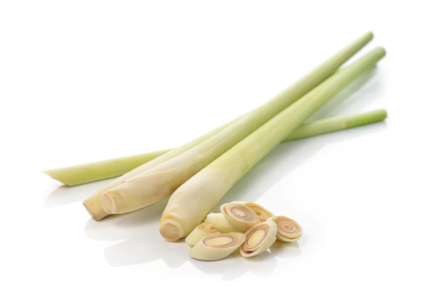
Lemongrass
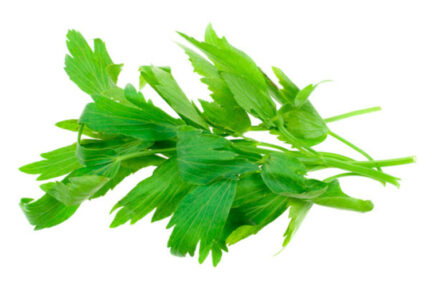
Lovage
Lovage is a tall, hardy perennial herb with glossy, dark green, celery-like leaves and thick, hollow stems. It can grow up to 6 feet tall and produces clusters of small yellow-green flowers in late spring to early summer, followed by aromatic seeds. All parts of the plant—leaves, stems, seeds, and roots—are edible and have a strong, savory flavor reminiscent of celery with a hint of parsley and anise. Lovage is used to season soups, stews, salads, and broths, and its seeds are often used as a spice similar to celery seed.
Varieties: Levisticum officinale (Common Lovage)
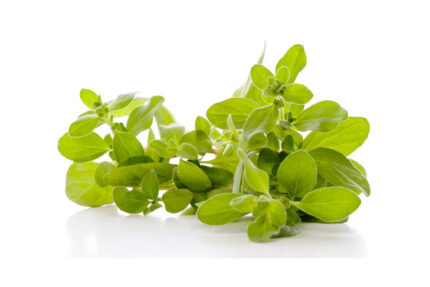
Marjoram
Marjoram is a tender perennial herb, often grown as an annual in cooler climates, with small, oval, gray-green leaves and a sweet, aromatic scent. It forms a bushy mound and produces clusters of tiny white or pale pink flowers in mid to late summer. The flavor is warm, slightly citrusy, and more delicate than oregano, to which it is closely related. Marjoram is commonly used to season meats, sausages, soups, stews, and Mediterranean dishes, and is excellent in herb blends and dressings.
Varieties: Sweet Marjoram, (Origanum majorana), Wild Marjoram (Origanum vulgare), and Pot Marjoram (Origanum onites).
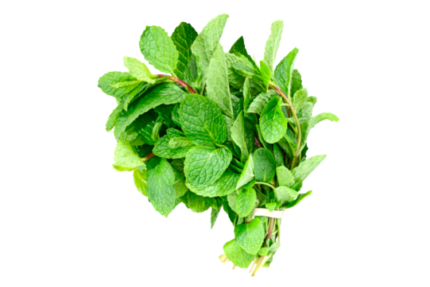
Mint
Mint is a popular calming and soothing herb and a well-known mouth freshener that has been used for hundreds of years for its medicinal properties. It has several benefits which include proper digestion and weight loss, relief from nausea, depression, fatigue, and headache.
Mint can be used in many culinary preparations in its fresh or dried form and is often used with veal, lamb and pork dishes as well as beverages and jellies.
Also, there are many products available in the market, with a distinct minty flavor. Things such as toothpaste, shaving gels, chewing gums, breath fresheners, candies, teas, balms, oils, and inhalers with a mint flavor are the most used.
Varieties: After Eight, Apple, Banana, Berries & Cream, Chocolate, Corsican, Ginger, Grapefruit, Hillary’s Sweet Lemon, Mojito, Moroccan (compact spearmint), Peppermint, Spearmint, Sweet Pear
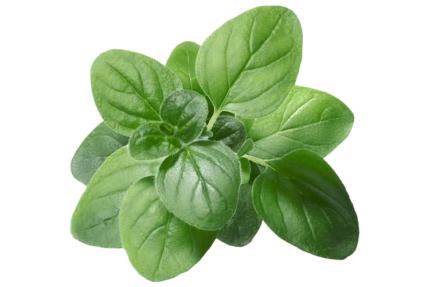
Oregano
Oregano is a culinary and medicinal herb from the mint family. It has been used in medicine and cooking for thousands of years. It adds flavor, and it may have a number of health benefits. Oregano is used either fresh or dried to flavor dishes. It is a typical herb in Italian cooking and goes wonderfully with tomatoes, salads, cheeses, vegetables (carrots), eggs, meat, and fish.
Varieties: Compact, Golden Crinkle Leaf, Golden, Greek, Hot & Spicy, Italian, Kent Beauty, Kirigami, Purple Maiden, Supreme, Variegated
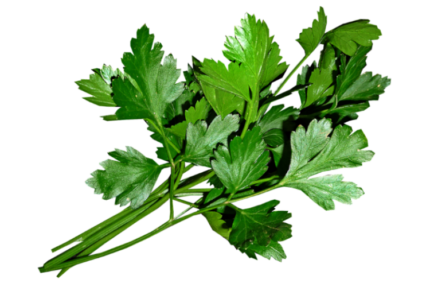
Parsley
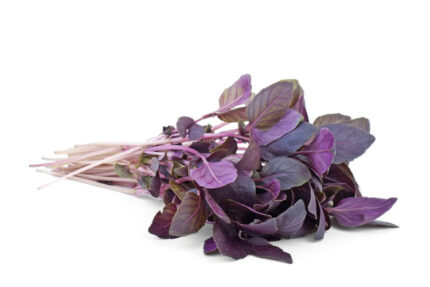
Red Basil
Red Basil is a striking variety of basil distinguished by its deep burgundy to purple-red leaves and spicy-sweet aroma. It grows as a compact annual herb with glossy foliage and small pink to purple flowers that appear in mid to late summer. The flavor is similar to sweet basil but slightly more intense, with notes of clove and anise. Red basil adds both color and taste to salads, pastas, vinegars, and garnishes, and its vibrant leaves are often used decoratively in culinary presentations.
Varieties: Red Rubin, Dark Opal, and Purple Ruffles.