
 Herbs
Herbs Vegetables
 Fruits


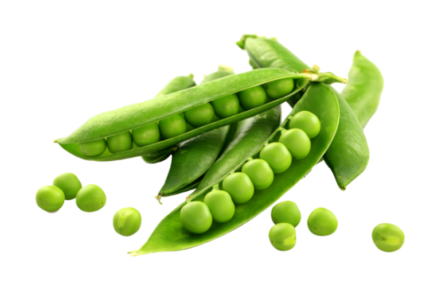
Snow Peas
Snow peas are a small to medium-sized varietal, averaging 5 to 8 centimeters in length, and the pods have a flat, straight, oblong shape with tapered, pointed ends. Each yellow-green to bright green pod may contain up to 7 peas, and the pale green peas are tiny, flattened, round, to oval in shape. Before consumption, there is a fibrous string that extends the length of the pod that should be peeled and discarded. Snow peas can be used fresh or cooked and have a tender, crisp, and slightly chewy consistency. Both the pods and peas are edible, as the pods contain less inedible fiber than other pea varieties, creating a softer mouthfeel. Snow peas have a mild, subtly sweet taste with grassy, bright, and vegetal nuances.
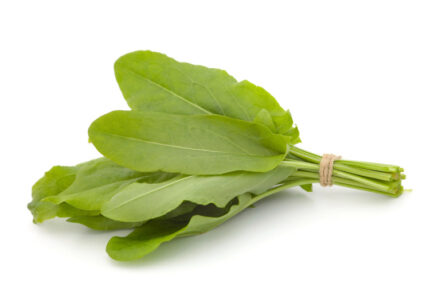
Sorrel
Sorrel is a hardy perennial herb with bright green, arrow-shaped leaves and a sharp, tangy flavor similar to lemon or sour apple. It forms a clumping growth habit and produces tall stalks topped with small, reddish-green flowers in late spring to early summer. The leaves are rich in vitamin C and are best harvested young for their tender texture and mild acidity. Sorrel is commonly used in soups, sauces, salads, omelets, and as a flavorful green in fish or poultry dishes.
Varieties: Garden Sorrel (Rumex acetosa), French Sorrel (Rumex scutatus), and Red-Veined Sorrel (Rumex sanguineus).
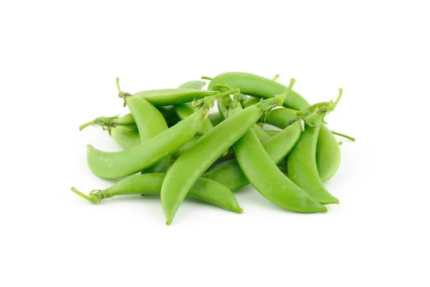
Sugar Snap
Sugar snap peas, also known as snap peas, are a variety of peas cultivated for their crisp exterior and sweet pea interior. Early varieties of the plant originated in Europe and Asia. This particular pea was cultivated in the 1970s as a perfect cross of snow and garden peas, with a refreshing blend of crunchy, and sweet. This legume lends a sweet and pleasantly “green” or vegetal flavor to dishes. They are a type of pea that can be eaten while still in its pod. Both the peas and the pod are edible and they don’t need to be cooked. The plants are climbing plants and can grow as tall as two metres. They're a good source of vitamin C and manganese.
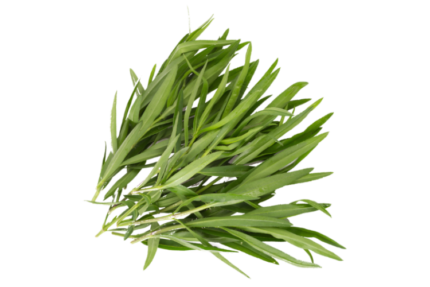
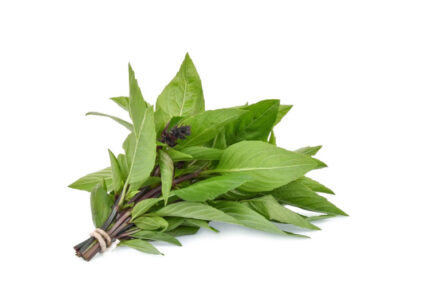
Thai Basil
Thai Basil is a fragrant, heat-loving perennial herb (grown as an annual in cooler regions) with narrow, pointed green leaves, purple stems, and mauve flower spikes. It has a distinctive sweet, spicy aroma with strong notes of anise and licorice, and its leaves are sturdier and more flavorful than common sweet basil. Thai basil retains its flavor well when cooked, making it ideal for stir-fries, curries, soups, and noodle dishes in Southeast Asian cuisine.
Varieties: Queen of Siam, Siam Queen, and Horapha (common Thai variety).

Thyme
Thyme is highly aromatic with a hint of clove and mint fragrance. Thyme can be used either fresh or dry. It is widely used in soups, stews, casseroles, stuffing and poultry dishes. Its flavor and fragrance is not adversely affected by long, slow cooking.
Varieties: Caraway, Creeping Lemon, Doone Valley (Lemon), English, Foxley, French, Golden Lemon, Highland Cream, Lemon, Red creeping, Silver Edge, Spicy Orange, Woolly