
 Herbs
Herbs Vegetables
 Fruits


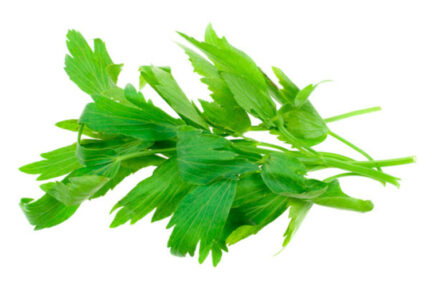
Lovage
Lovage is a tall, hardy perennial herb with glossy, dark green, celery-like leaves and thick, hollow stems. It can grow up to 6 feet tall and produces clusters of small yellow-green flowers in late spring to early summer, followed by aromatic seeds. All parts of the plant—leaves, stems, seeds, and roots—are edible and have a strong, savory flavor reminiscent of celery with a hint of parsley and anise. Lovage is used to season soups, stews, salads, and broths, and its seeds are often used as a spice similar to celery seed.
Varieties: Levisticum officinale (Common Lovage)
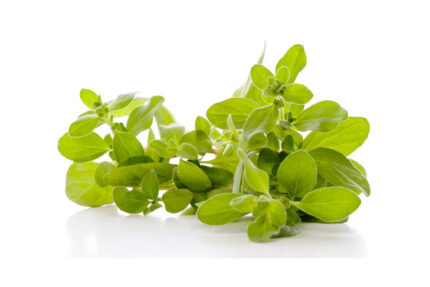
Marjoram
Marjoram is a tender perennial herb, often grown as an annual in cooler climates, with small, oval, gray-green leaves and a sweet, aromatic scent. It forms a bushy mound and produces clusters of tiny white or pale pink flowers in mid to late summer. The flavor is warm, slightly citrusy, and more delicate than oregano, to which it is closely related. Marjoram is commonly used to season meats, sausages, soups, stews, and Mediterranean dishes, and is excellent in herb blends and dressings.
Varieties: Sweet Marjoram, (Origanum majorana), Wild Marjoram (Origanum vulgare), and Pot Marjoram (Origanum onites).
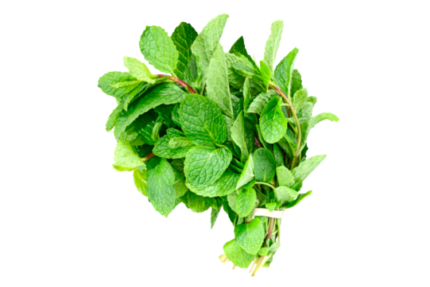
Mint
Mint is a popular calming and soothing herb and a well-known mouth freshener that has been used for hundreds of years for its medicinal properties. It has several benefits which include proper digestion and weight loss, relief from nausea, depression, fatigue, and headache.
Mint can be used in many culinary preparations in its fresh or dried form and is often used with veal, lamb and pork dishes as well as beverages and jellies.
Also, there are many products available in the market, with a distinct minty flavor. Things such as toothpaste, shaving gels, chewing gums, breath fresheners, candies, teas, balms, oils, and inhalers with a mint flavor are the most used.
Varieties: After Eight, Apple, Banana, Berries & Cream, Chocolate, Corsican, Ginger, Grapefruit, Hillary’s Sweet Lemon, Mojito, Moroccan (compact spearmint), Peppermint, Spearmint, Sweet Pear
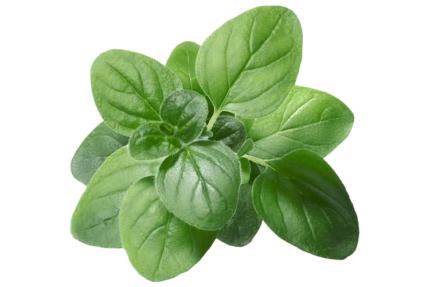
Oregano
Oregano is a culinary and medicinal herb from the mint family. It has been used in medicine and cooking for thousands of years. It adds flavor, and it may have a number of health benefits. Oregano is used either fresh or dried to flavor dishes. It is a typical herb in Italian cooking and goes wonderfully with tomatoes, salads, cheeses, vegetables (carrots), eggs, meat, and fish.
Varieties: Compact, Golden Crinkle Leaf, Golden, Greek, Hot & Spicy, Italian, Kent Beauty, Kirigami, Purple Maiden, Supreme, Variegated
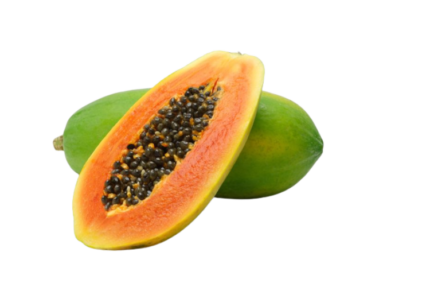
Papaya
Papaya is a large, teardrop-shaped fruit with a green or yellow, thin, and yielding outer skin. The inside is a luscious, soft, and salmon-colored fruit with a cluster of black, shiny, and small seeds that are edible, but should only be consumed in moderation.
Papaya has a similar mild, floral quality to what you'd get in a melon, but it has a sweetness to it that you won't experience with, say, a honeydew. The texture is also significantly softer than that of a melon, which makes it easy to spoon out of its peel. Of course, you don't have to eat it that way — it's also delicious when it's cut up and added to fruit salads.
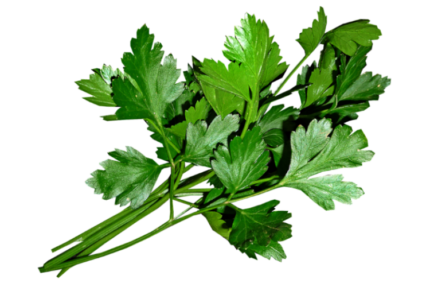
Parsley
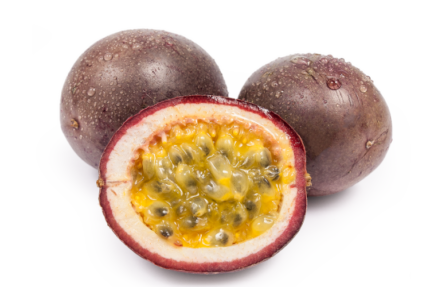
Passion
Passion fruit, otherwise known as Liliko'i in Hawaiian, is a type of tropical fruit that has a hard purple or yellow outer shell with a jelly-like golden pulp and seed-filled center. The purple passion fruit will have black seeds and the yellow liliko'i will have brown seeds. Passion fruit seeds are crunchy and edible, but tart-tasting.
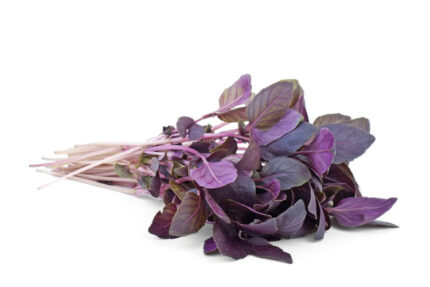
Red Basil
Red Basil is a striking variety of basil distinguished by its deep burgundy to purple-red leaves and spicy-sweet aroma. It grows as a compact annual herb with glossy foliage and small pink to purple flowers that appear in mid to late summer. The flavor is similar to sweet basil but slightly more intense, with notes of clove and anise. Red basil adds both color and taste to salads, pastas, vinegars, and garnishes, and its vibrant leaves are often used decoratively in culinary presentations.
Varieties: Red Rubin, Dark Opal, and Purple Ruffles.
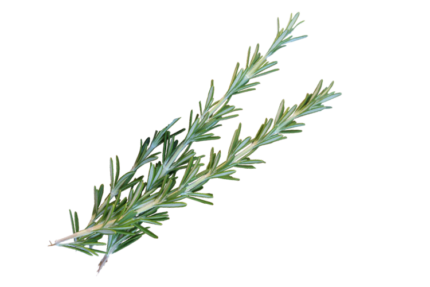
Rosemary
Rosemary is a woody, perennial herb with fragrant, evergreen, needle-like leaves and white, pink, purple, or blue flowers, native to the Mediterranean region. Use rosemary sparingly as an accent to food as the flavor can be somewhat pungent and resinous. Use with fish, pork, lamb, poultry and game.
Varieties: Creeping, Upright
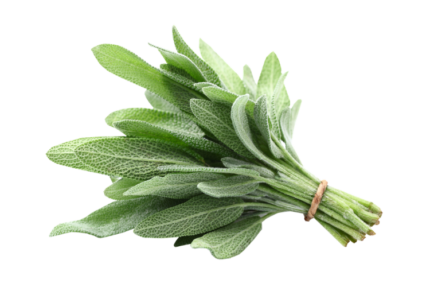
Sage
Sage is also one of the few herbs that, even as its leaves grow larger, the flavor intensifies. Unlike many herbs, sage leaves are still delicious after the plant flowers. Leaves are used in fish, pork, and poultry dishes. Also with vegetables and in sausages.
Varieties: Bergarrten, Bergarrten Variegated Leaf, Garden, Golden Edge, Maxima, Pineapple, Pineapple Golden Delicious, Purple, Tricolor
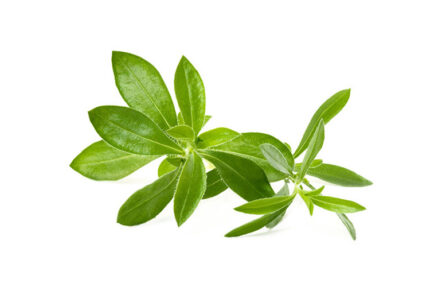
Savory
Savory is an aromatic herb available in both annual and perennial forms, known for its peppery, slightly pungent flavor that blends hints of thyme and mint. It has slender, dark green leaves and produces clusters of small white to pale pink flowers in mid to late summer. Summer Savory is more delicate and mild, while Winter Savory has a stronger, sharper taste and woody stems. Savory is a traditional seasoning for beans, lentils, sausages, poultry, and stuffing, and is often used in herb blends like Herbes de Provence.
Varieties: Summer Savory (Satureja hortensis) and Winter Savory (Satureja montana).